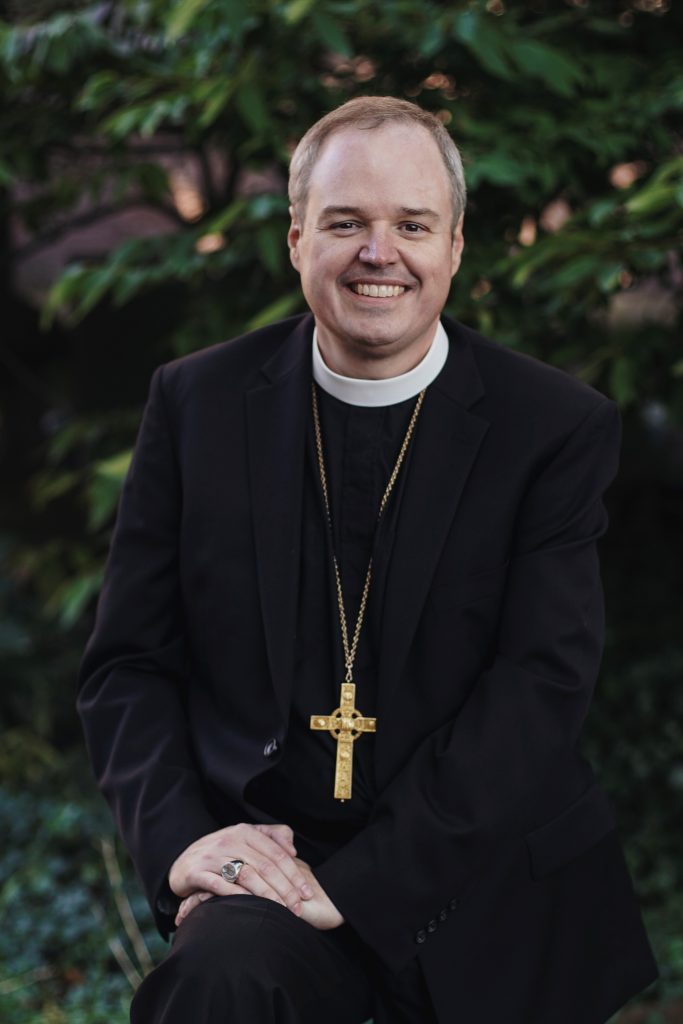
The Most Rev. Sean W. Rowe was elected presiding bishop and primate of The Episcopal Church in June 2024 and took office on Nov. 1 for a nine-year term. In this role, he serves as the church’s chief pastor and CEO. Known for his expertise in organizational learning and adaptive change, Rowe is committed to strengthening support for local ministry and mission.
He was ordained bishop of the Episcopal Diocese of Northwestern Pennsylvania in 2007 after serving as rector of St. John’s in Franklin, Pennsylvania, for seven years. From 2014 to 2018, he served as bishop provisional of the Episcopal Diocese of Bethlehem, and from 2019 to 2024, he led a partnership between the Episcopal Dioceses of Northwestern Pennsylvania and Western New York.
Rowe holds a bachelor’s degree in history from Grove City College, a Master of Divinity degree from Virginia Theological Seminary, and a doctorate in organizational learning and leadership from Gannon University. He has served as a leader of many civic and churchwide organizations and governance bodies, and as parliamentarian for the House of Bishops.
Nickolas Smith is a sophomore at Texas Tech University and an active member of Canterbury Episcopal Campus Ministry. In a powerful reflection, Nick shares his experience donating stem cells through the National Marrow Donor Program and reflects on what it means to have the opportunity to help save the life of a stranger.
If only you had the resources to save a random person’s life, would you save them? My name is Nickolas Smith, a sophomore at Texas Tech and a student at Canterbury Episcopal Youth Ministry and this is my experience donating stem cells through the National Marrow Donor Program (NMDP).
I first learned about NMDP when a spokesperson presented the program to the Goin’ Band from Raiderland my freshman year, when I was a member. From a donor perspective, NMDP starts as a donor registry that makes it easier for people with cancer or diseases to find a match. I knew after the presentation that I wanted to join the registry, so I took a cheek swab test that was provided.
For those with life-threatening diseases, NMDP facilitates finding a donor with an antigen that matches the recipient. Human leukocyte antigens (HLA) are the proteins that identify the body’s cells to the immune system. It is the key to a successful transplant without the recipient’s body rejecting the donor’s cells, bone marrow, or organs.
Once a match is made, NMDP informs the donor that they have matched and asks if they would like to continue with the process. I told them yes and took several blood tests and a physical to ensure the health and safety for both me and my recipient. In addition, I was also kept informed of the donation process, risks, and travel procedures. NMDP made sure I did not have to pay for any part of the donation process.
Although bone marrow donation was the first successful procedure to transplant stem cells, 90% of the cases handled through NMDP now are done non-surgically through peripheral blood stem cells (PBSC). The PBSC donation process is similar to donating white blood cells, but the process takes up to 4-8 hours and requires special preparation to boost stem cell count.
I traveled to Houston, TX with my mom as my companion to donate my blood cells. NMDP was willing to pay for a flight to Houston, but my mom and I were more comfortable driving, so NMDP accommodated. It was a three-day trip with a hotel and meals compensated by NMDP. I was lucky that my donation in the morning took 4 hours, so I could go sight seeing in the afternoon.
After donation, the NMDP consultant kept checking on me periodically to see if I returned back to baseline health after donation. Overall, the process to donate was very easy because my questions were always answered. If you would like to join the registry or learn more, then visit the NMDP website.




 Loading...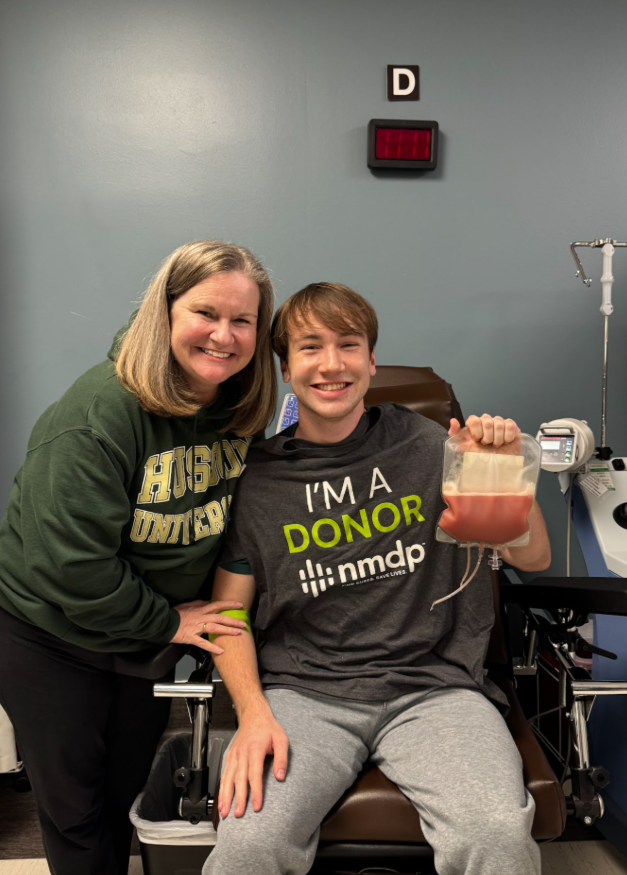



Leave a Comment